GLP-1 Cost: What Are GLP-1 Drugs and How to Save on Them
2026-03-31 · by Jonathan McAdory, PharmD
Best Prices by GLP-1 Drug
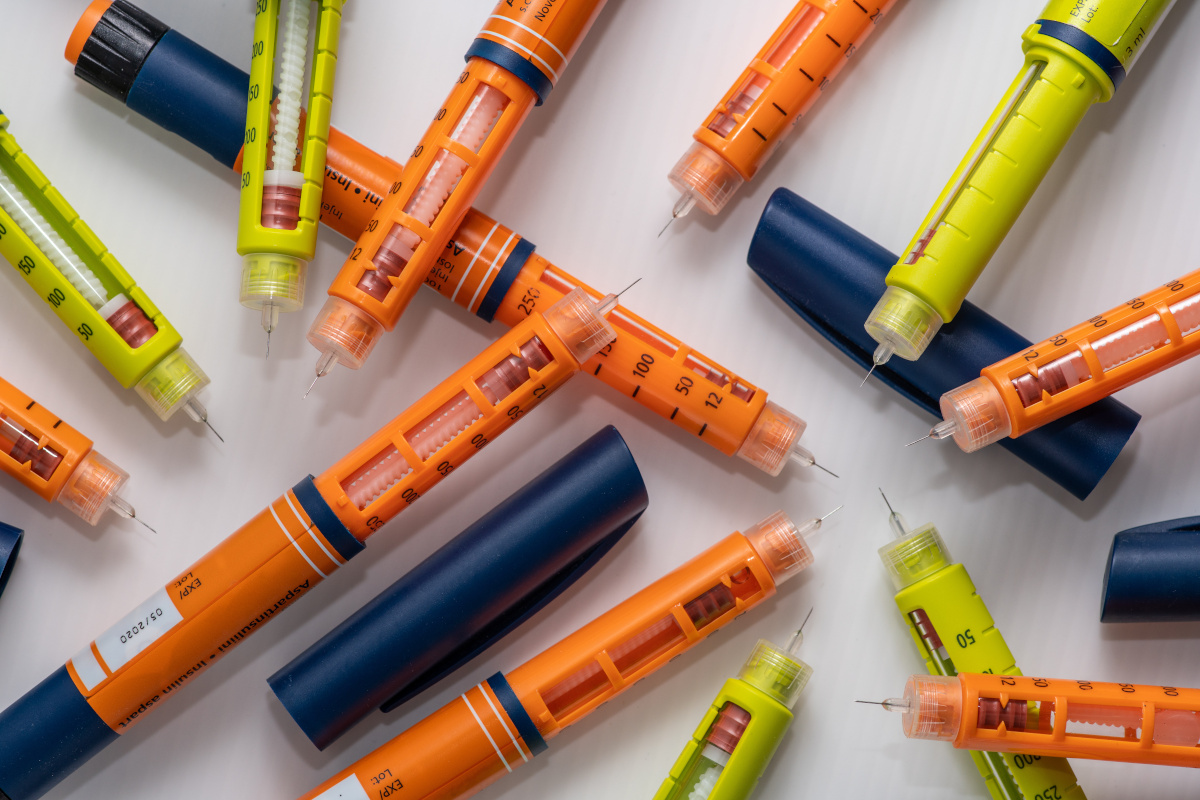
The table below shows the best available pharmacy and discount card combination for each GLP-1 drug, form, and dosage. Prices reflect current cash-pay rates — no insurance required.
pen injector (3 ml)
0.25 mg or 0.5 mg
Walgreens
pen injector (3 ml)
1 mg
Walmart
pen injector (3 ml)
2 mg
CVS
| Form | Dosage | Best Pharmacy | BuzzRx | GoodRx | Singlecare | WellRx |
|---|---|---|---|---|---|---|
| pen injector (3 ml) | 0.25 mg or 0.5 mg | Walgreens | $860.15 | $199.00Code | $857.26 | $1015.57 |
| pen injector (3 ml) | 1 mg | Walmart | $860.02 | $199.00Code | $857.26 | $1015.48 |
| pen injector (3 ml) | 2 mg | CVS | $859.92 | $199.00Code | $857.26 | $1015.57 |
What Are GLP-1 Drugs?
GLP-1 receptor agonists are a class of medications that mimic a natural gut hormone called glucagon-like peptide-1. This hormone is released after eating and signals to the brain that you're full, slows gastric emptying, and stimulates insulin release — all of which help control blood sugar and appetite.
Originally developed to treat type 2 diabetes, drugs like semaglutide (Ozempic, Wegovy) and tirzepatide (Mounjaro, Zepbound) have become widely prescribed for weight loss as well. They are among the most talked-about medications in recent years.
FDA Approvals and History
The first GLP-1 drug approved by the U.S. Food and Drug Administration was exenatide (Byetta) in 2005, primarily for blood sugar control in type 2 diabetes. Since then, the class has expanded significantly:
- The FDA approved semaglutide (Wegovy) for chronic weight management in adults in 2021 — a landmark decision that marked the first major obesity drug approval in nearly a decade.
- In 2023, the FDA approved tirzepatide (Zepbound) for weight loss, a dual GIP/GLP-1 receptor agonist that targets two hormonal pathways simultaneously.
These approvals reflected a shift in how obesity is classified and treated — recognizing it as a chronic disease rather than a lifestyle choice.
Clinical Effectiveness
Clinical trials have shown substantial results for both weight loss and blood sugar management. The STEP 1 trial published in the New England Journal of Medicine found that adults taking semaglutide lost an average of nearly 15% of their body weight over 68 weeks — more than double the results seen with previous weight-loss medications.
Tirzepatide showed even more dramatic results in the SURMOUNT-1 trial, also published in the New England Journal of Medicine, where participants lost up to 22.5% of their body weight at the highest dose. These outcomes rival those of some bariatric surgical procedures.
For diabetes management, GLP-1 drugs have also shown cardiovascular benefits, including reduced risk of major cardiac events in people with type 2 diabetes and established heart disease.
Common GLP-1 Medications
- Semaglutide — sold as Ozempic (diabetes) and Wegovy (weight loss)
- Tirzepatide — sold as Mounjaro (diabetes) and Zepbound (weight loss)
- Liraglutide — sold as Victoza (diabetes) and Saxenda (weight loss)
- Dulaglutide — sold as Trulicity (diabetes)
- Exenatide — sold as Byetta and Bydureon (diabetes)
Side Effects to Know
GLP-1 medications are generally well tolerated, but they do carry side effects. The most common are gastrointestinal — nausea, vomiting, diarrhea, and constipation — especially when starting or increasing the dose. These effects often improve over time as the body adjusts.
The FDA drug label for semaglutide includes a boxed warning about a potential risk of thyroid C-cell tumors observed in animal studies, though this risk has not been confirmed in humans. People with a personal or family history of medullary thyroid carcinoma or Multiple Endocrine Neoplasia syndrome type 2 should not use these drugs.
The National Institute of Diabetes and Digestive and Kidney Diseases (NIDDK) recommends discussing full risk and benefit profiles with a healthcare provider before starting any GLP-1 therapy.
Why Do They Cost So Much?
GLP-1 drugs are among the most expensive medications on the market — often $800–$1,300 per month without insurance. Brand-name monopolies, limited generic competition, and high demand all contribute to the price. Insurance coverage varies widely, and many plans exclude weight-loss indications even when the same drug is covered for diabetes.
Manufacturer savings programs exist for some patients: Novo Nordisk offers a savings card for Wegovy, and Eli Lilly has a savings program for Zepbound — though eligibility restrictions typically exclude Medicare and Medicaid beneficiaries.
How to Find the Best Price
Prices for GLP-1 drugs vary significantly from pharmacy to pharmacy — sometimes by hundreds of dollars for the same drug and dosage. Discount cards like GoodRx, BuzzRx, and WellRx negotiate lower cash prices that are often well below the sticker price, and sometimes even below insurance copays.
Comparing prices across pharmacies before filling a prescription is one of the most effective steps you can take. The table at the top of this page shows the best currently available price combinations so you don't have to search manually.